A common question that we often get asked is regarding the use of certain hardware modifications like upgrading the air filters for example, and what difference they make to performance.
Changing or upgrading the air filter to an aftermarket set up, is usually one of the easiest and simplest forms of modification. There are many myths surrounding the topic, so lets see what the actual figures look like up on the dyno.
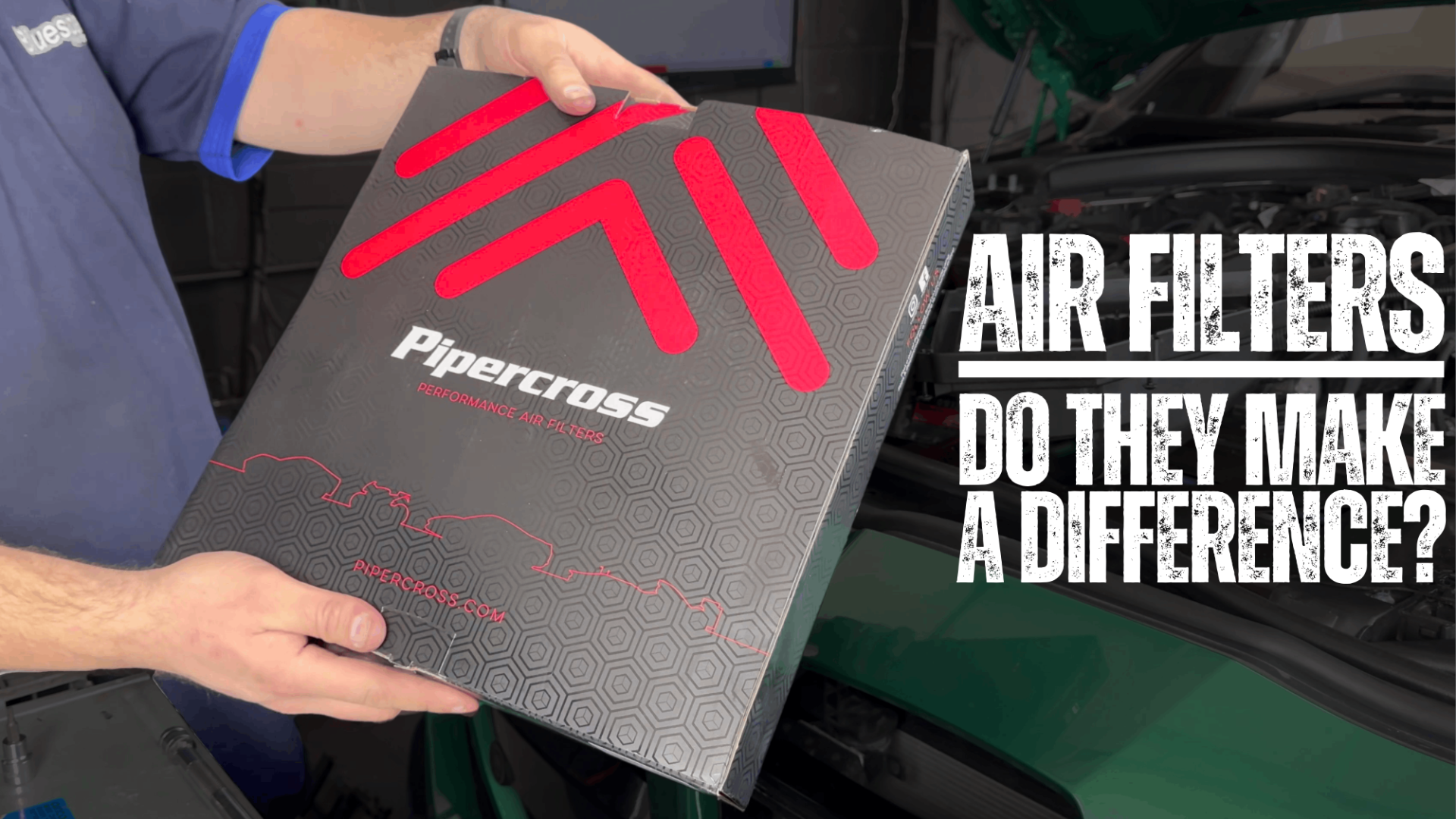
We recently had a BMW G80 M3 in for tuning and dyno testing, and the customer had purchased some Pipercross foam panel filters for us to install along with our tuning module. We first dyno tested the car stock, with no upgrades or tune applied. We then installed our tuning module and dyno tested again to see what gains had been made. We then installed the panel filters and ran it again on the dyno to see what differences there were. We then made several tweaks in the configuration of our module and ran it for further tests. The results were pleasantly surprising…

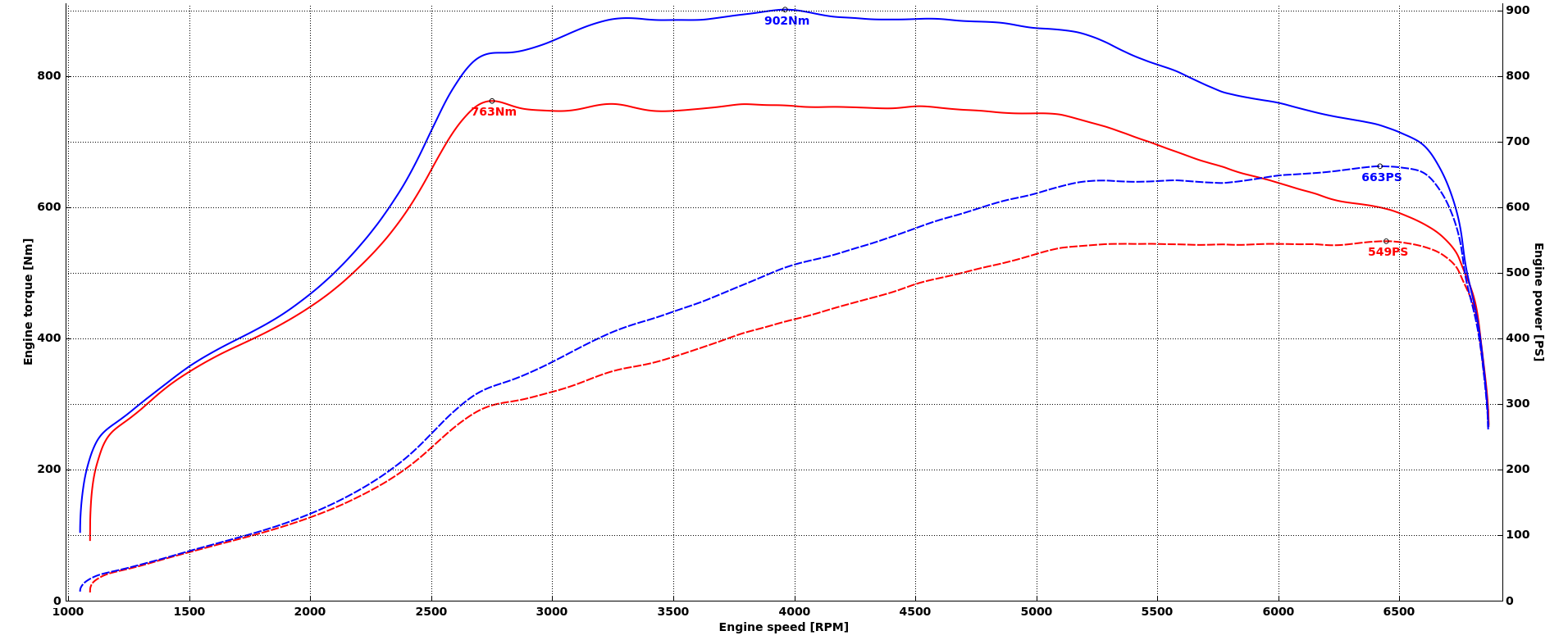
Firstly, you’ll see from the dyno graph below the tuned run, with ONLY our tuning module installed. This took power from 549hp at stock, up to 652hp, and torque from 763Nm up to 901Nm. We then installed the Pipercross filters and ran it again.

After some adjustments and tweaks to our module, we can see the final results in the graph below, where we can see a slightly healthier curve, giving slightly more power and torque in certain areas of the rev range. Now producing 663hp with 902Nm of torque peak figures.

So we can definitely see an improvement coming from the panel filters there. Along with a few tweaks from our tuning module, we were able to add an additional 11hp and 1Nm of torque at its peak, but also adjusting that curve, giving slightly better applications to both power and torque performance.
Check out the video of the full test here:
The chip tuning box featured in this blog can be found here:

Check out the full dyno test of the G80 M3 here: